“When we talk about wine, we’re talking about the global market. However, exporting isn’t something you can just improvise. A structured group approach is required to address regulatory constraints, cultural differences, and the geopolitical landscape.”
International markets with differing dynamics
With its stable and historically established market, Germany remains the top destination for wines from Occitanie. Ranked fifth, the United States represents a major but highly volatile market, marked by significant instability in terms of market access conditions that vary periodically. China, meanwhile, has shown a significant rebound after several years of decline and has climbed to 10th place.
Support and export assistance efforts are currently focused primarily on these three markets.
Canada: a strategic market undergoing change
At the heart of discussions, Canada is emerging as a target market with strong potential. The world’s eighth-largest economy and the 12th-largest wine market globally, the country imports 70% of its wine. It is now the 6th-largest market for wines from the Occitanie region.
Divided between a competitive entry-level segment and growing premium segments, the market is evolving with the rise of AOPs and the growing appeal of organic wines. In Quebec, a key province, “wine now prevails over beer,” with younger consumers who are mostly fond of light reds and dry whites, and particularly attentive to grape varieties, sugar content, alcohol content, and eco-friendly values.
“It’s very interesting as it allows us to see if we can fit into the right categories,” says one industry professional.
Keys to access and a collective strategy
Above and beyond considering trends, access to the Canadian market depends on the SAQ, a government-owned corporation that holds a monopoly on the import, distribution, and sale of alcoholic beverages. Choosing a local agent, being able to respond to tenders, and adapting products are crucial. Many key points are covered, including pricing, secondary labels, formats, bottle weights, and sales force training.
“We need to bring buyers here, show them our vineyards, tell them our story, and let them enjoy the experience. We know how to sell our wines.” Wine tourism also emerges as a complementary strategy, with ideas already taking shape and enthusiastic discussions continuing at a steady pace.
A regional dynamic to reinforce
For Montpellier Métropole, the challenge is clear: “We want to strengthen economic ties and facilitate business with Canada, particularly Quebec.” There are already notable successes in areas of excellence such as digital technology, cultural and creative industries, and healthcare. The wine sector also has significant assets that can help promote the area.
On June 2, the France-Quebec Economic Forum will provide an opportunity to strengthen partnerships, while plans are underway to send a delegation in the fall. “You harvest what you sow,” said one participant, capturing the collective spirit driving the sector as it takes on this new challenge.
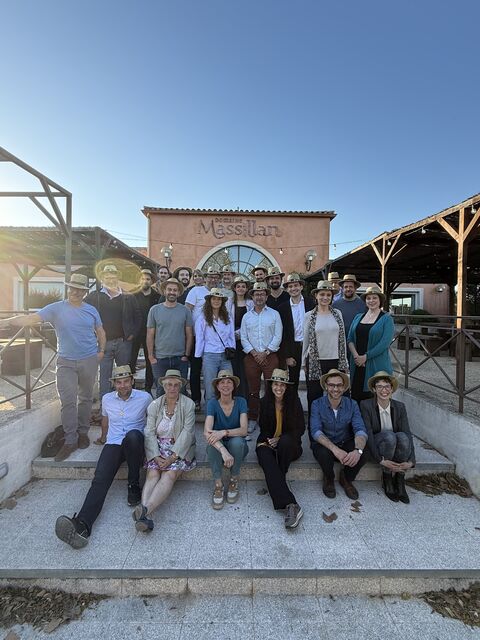
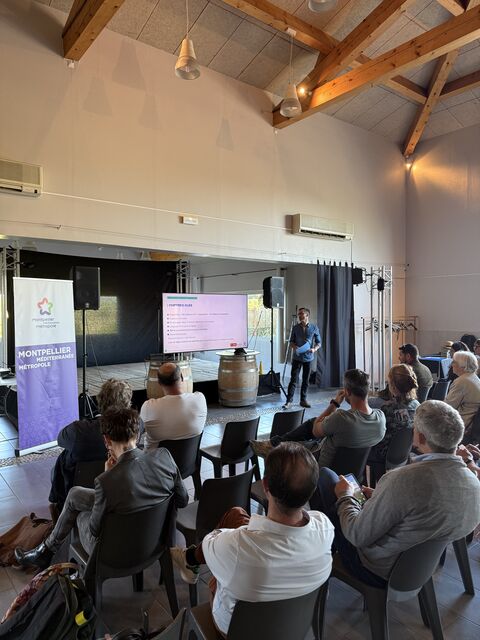
Photo ©3M